Five old Bhutanese grain recipes worth bringing back.
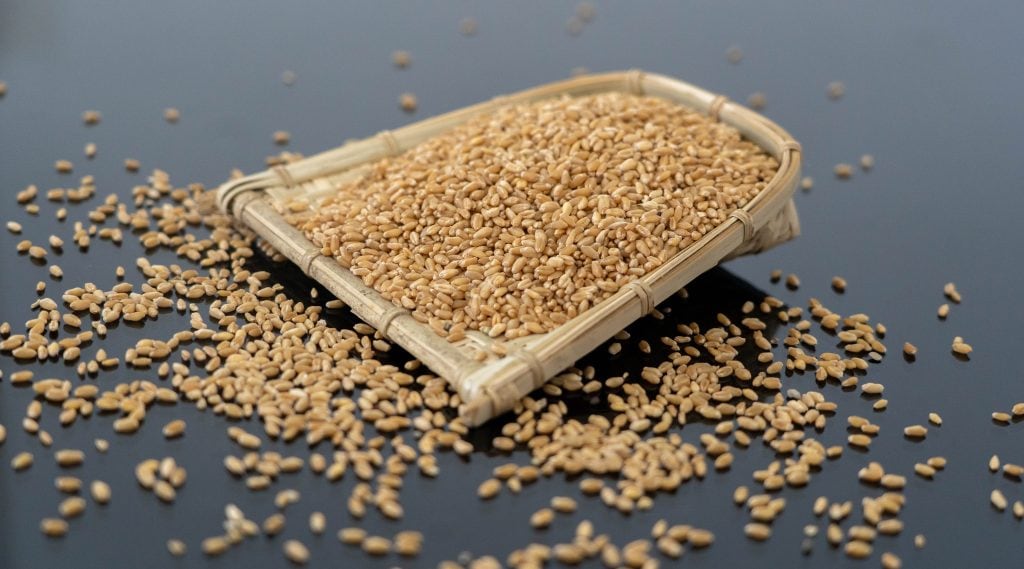
Some dishes fell out of our kitchens simply because the grains got harder to find. Now that they are back, so are the recipes. Five traditional preparations using barley, millet and maize, written simply enough to cook this week.
Why we pay farmers above market rate (and why it still makes business sense).
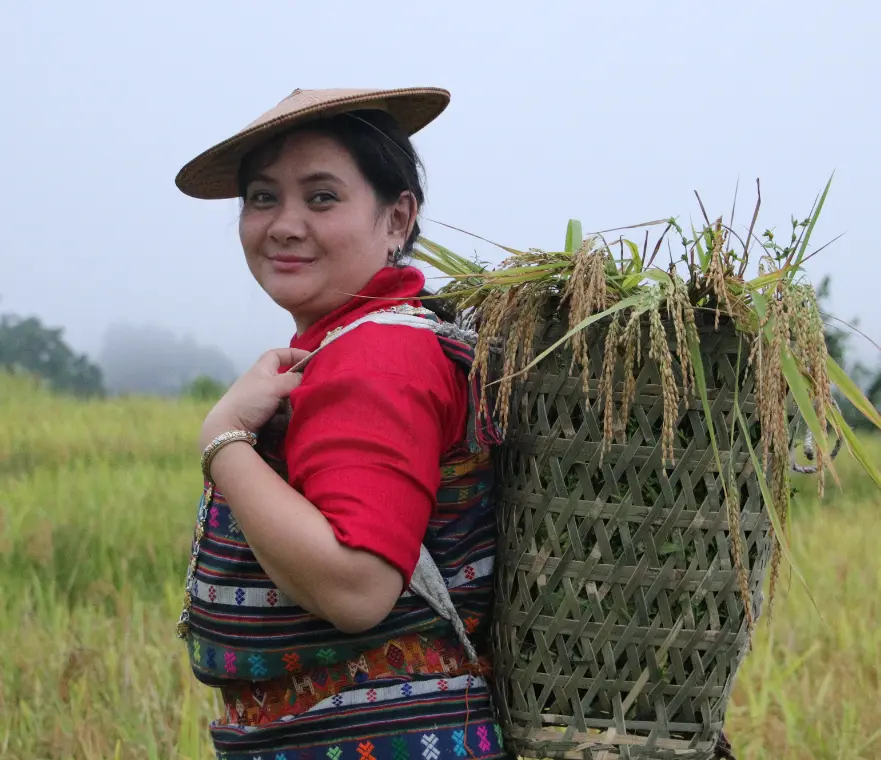
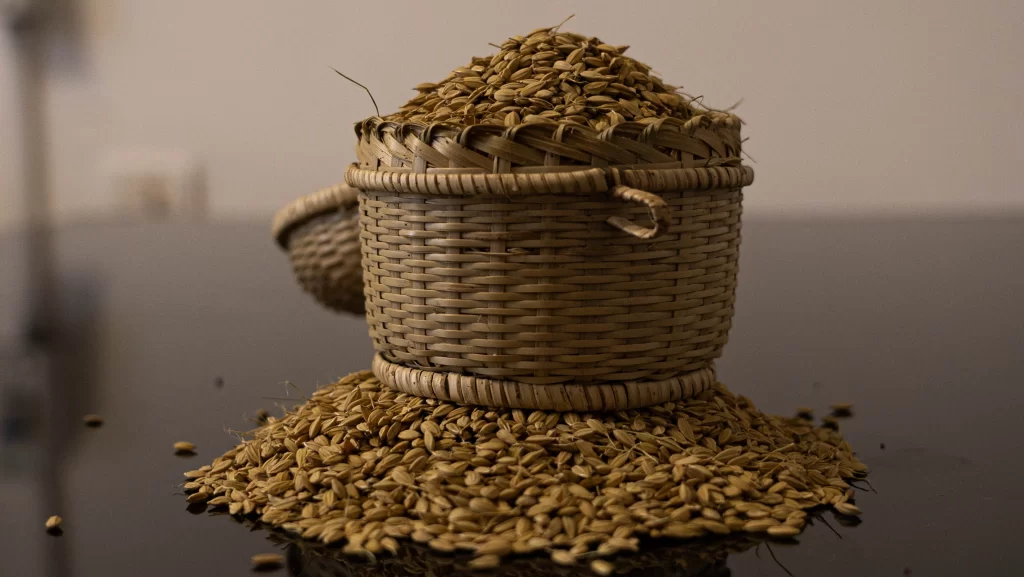
It sounds like poor business. Pay more for your raw material and watch your margin shrink. We have done it since 2013, and it is the reason Shaoulee works. Here is the thinking behind the decision, and what it has meant for 4,500 farming families.
From field to flour: how a grain of millet becomes your morning porridge.
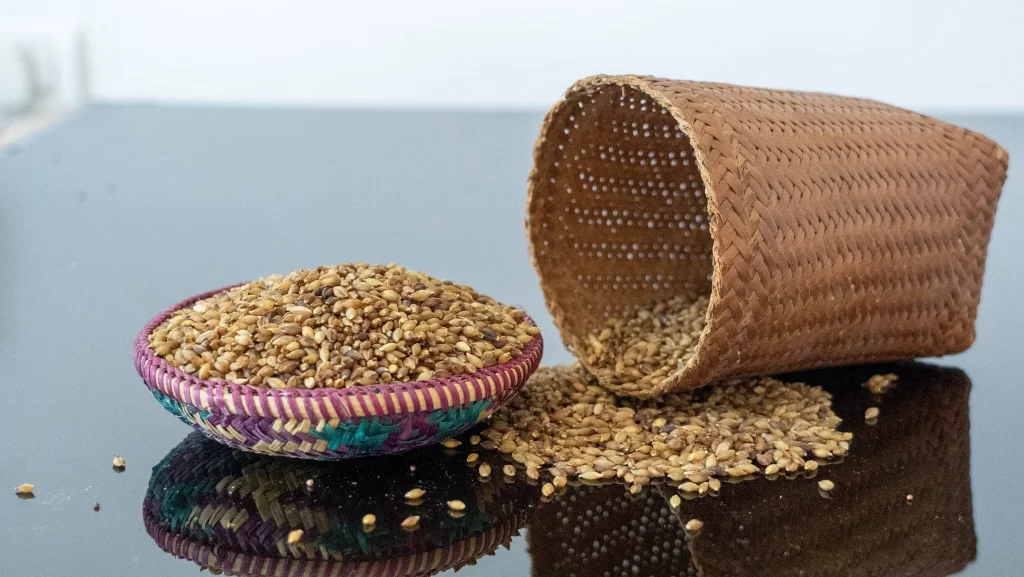
Between a farmer’s field in the highlands and the porridge in your bowl, a grain of millet passes through remarkably few hands. We walk you through every step of that short journey, from harvest and collection to gentle milling, and explain why keeping it short matters.
Meet the women of Shaoulee: five stories from our mill floor.
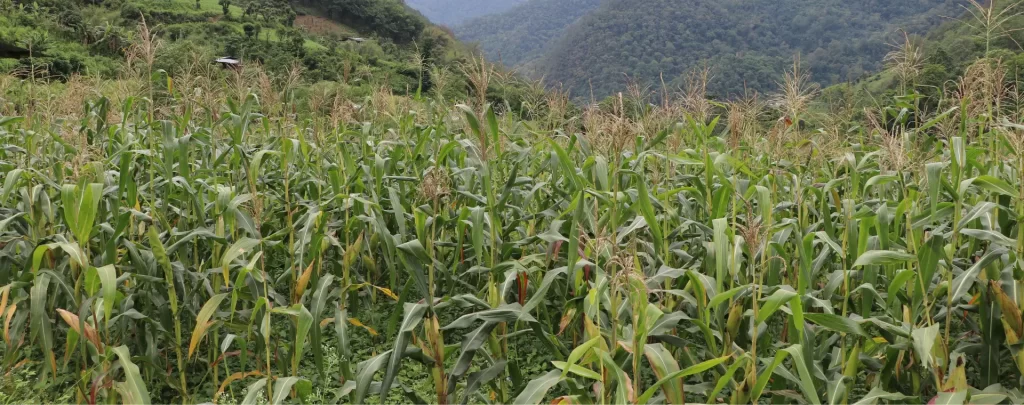
More than nine in ten of our team are women. Many came to us from difficult circumstances and found steady income, new skills and a place where their work counts. Five of them share, in their own words, what this mill has meant to their lives.
The real price of imported flour: what it costs Bhutan to stop growing its own food.
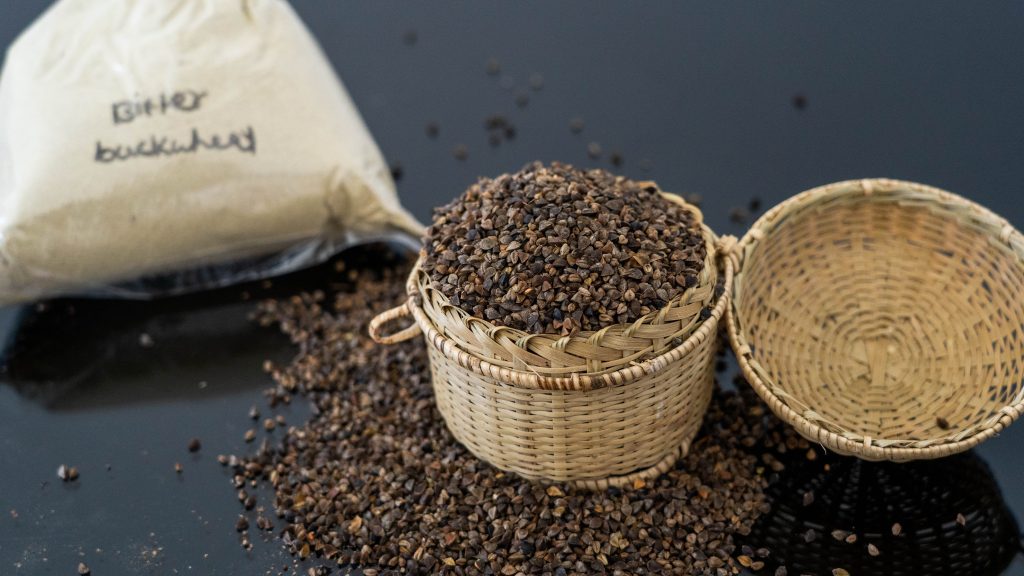
Every bag of imported flour costs more than the ngultrum on the label. It carries away farm income, weakens rural livelihoods, and leaves Bhutan’s food supply resting on someone else’s harvest. We look at what that dependence actually costs, and what it would take to shift.
What is white amaranth, and why did Bhutan grow it for centuries?